

The Allure of Gambling
Gambling attracts millions due to its thrilling and unpredictable nature. The excitement of placing a bet, coupled with the possibility of winning substantial amounts of money, creates an environment rife with emotional stimulation. The allure of gambling often hinges on the possibility of a sudden change in fortune, which can provide an adrenaline rush similar to other risk-taking activities. For those interested in trying their luck, online pokies nz offers a variety of games that players can enjoy, momentarily transporting them away from their everyday lives and drawing them into a world filled with possibility and hope.
This psychological escape is particularly enticing for those seeking relief from stress or boredom. Casinos are designed to cater to these desires, often employing rich visuals and sounds that heighten the thrill. The psychological phenomenon known as the “near-miss effect” also plays a significant role in this allure. Players may experience a rush of excitement when they narrowly miss a win, leading them to continue gambling in hopes of achieving the elusive success they just experienced.
Additionally, casinos strategically design their environments to reinforce this allure. The use of bright lights, engaging sounds, and the availability of complimentary drinks serve to create an atmosphere that encourages prolonged play. Studies indicate that the longer individuals stay in this engaging environment, the more likely they are to gamble, blurring the lines between entertainment and potential financial loss. This carefully crafted experience appeals to both novice and seasoned gamblers, making it challenging to resist the temptation to play.
The Role of Cognitive Biases
Cognitive biases play a crucial role in influencing player behavior within casinos. One significant bias is the illusion of control, where players believe they can influence random outcomes through their choices or strategies. For instance, a player may feel that their specific betting style can lead to a win, despite the inherent randomness of games like slots or roulette. This misperception can lead to prolonged gambling sessions, as players continue to invest time and money based on their beliefs rather than objective reality.
Another cognitive bias that affects player behavior is the concept of loss aversion. Research shows that individuals tend to prefer avoiding losses over acquiring equivalent gains. In a casino context, this bias can result in players chasing their losses—continuing to gamble in an attempt to recover money lost in previous bets. This behavior, often referred to as “tilt,” can lead to significant financial consequences, as players may exceed their original limits in a desperate attempt to regain what they have lost.
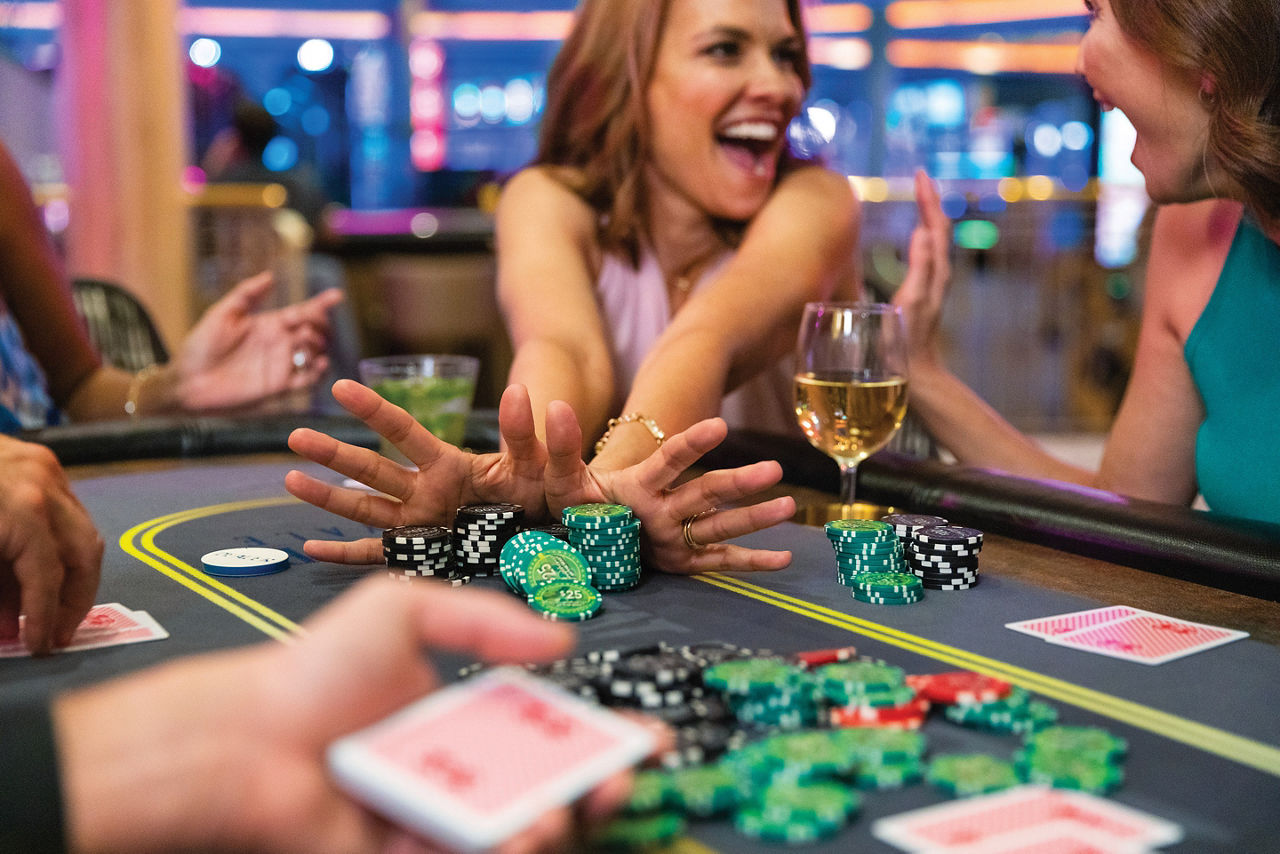
Moreover, players often fall victim to the gambler’s fallacy, where they mistakenly believe that past events will influence future outcomes in games of chance. For example, if a particular number hasn’t come up in a roulette wheel for several spins, a player may feel it is “due” to appear. Such thinking can lead individuals to make irrational betting decisions, further entrenching them in a cycle of gambling that is rooted more in emotion than logic.
The Impact of Social Influence
The social environment within casinos heavily influences player behavior. The communal experience of gambling can evoke a range of emotions, from excitement to disappointment, which are shared among players. This shared experience can create a sense of camaraderie, encouraging individuals to gamble together and enhance the thrill of winning or losing. Social interaction can amplify the excitement, making it more likely that players will continue to engage in gambling activities.
Peer pressure can also affect player decisions, as individuals may feel compelled to join friends or acquaintances in their gambling efforts, even if they initially had no intention of playing. This social dynamic can lead to increased spending and risk-taking as players engage in behaviors they might not typically pursue alone. As new players are introduced to the gaming environment through social connections, they may become more inclined to embrace gambling, influenced by the excitement of their peers.
Furthermore, casinos often host events and promotions designed to create a social atmosphere, drawing in larger crowds and fostering a sense of community. From tournament-style competitions to social media contests, these events enhance the social aspect of gambling, making it a more inviting experience. As players bond over shared successes and failures, the psychological impact of community can reinforce their gambling habits and encourage ongoing participation.
The Emotional Rollercoaster of Gambling
The emotional landscape of gambling is complex and can vary significantly from person to person. For many, the highs of winning can trigger feelings of euphoria, while losses can lead to frustration and despair. This emotional rollercoaster is part of what keeps players coming back for more, as they seek the thrill of a potential win to offset the lows associated with losses. This cycle can lead to compulsive gambling behavior where the emotional peaks and troughs become addictive.
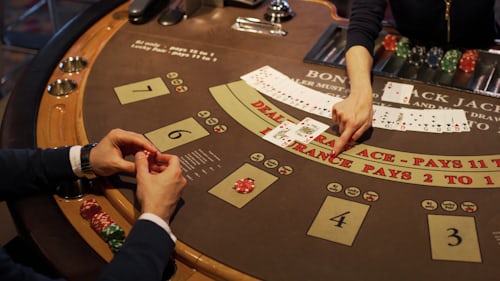
Furthermore, the concept of “chasing losses” is closely tied to this emotional impact. When players experience a significant loss, they may feel compelled to continue gambling in hopes of recouping their funds. This often leads to emotional escalation, where players become more invested in the outcome, further clouding their judgment. The desire to return to that initial high becomes all-consuming, making it difficult for many individuals to recognize when it is time to walk away.
Understanding this emotional aspect is crucial for both players and those who care about them. Recognizing the potential for emotional manipulation within the casino environment can empower players to make more informed choices about their gambling behaviors. By acknowledging the emotional highs and lows, players can develop healthier strategies for managing their gambling experiences and avoid the pitfalls of excessive gambling.
Understanding Responsible Gambling
Responsible gambling is essential in promoting a healthy relationship with gaming. It emphasizes awareness and control over one’s gambling activities, helping players to enjoy the experience without succumbing to the negative consequences often associated with excessive gambling. Strategies for responsible gambling include setting limits on time and money spent, taking breaks, and knowing when to seek help.
Creating a supportive community is also vital in fostering responsible gambling practices. Many casinos and gaming organizations offer resources and programs to educate players about responsible gambling. These programs can include counseling services, self-exclusion options, and informational campaigns aimed at raising awareness about the risks of gambling. By fostering a culture of responsibility, casinos can help mitigate the adverse effects of gambling on individuals and their families.
Additionally, understanding the psychology behind player behavior can empower individuals to recognize when gambling becomes problematic. By promoting discussions about the emotional and psychological aspects of gambling, players can develop a better understanding of their motivations and triggers. This self-awareness can lead to more responsible decisions and ultimately enhance the overall gaming experience.


