

The Thrill of Chance
Gambling in casinos often embodies the exhilarating thrill of chance, where the allure of uncertainty draws players into an unpredictable world. This element of surprise activates the brain’s reward system, leading to the release of dopamine, a neurotransmitter linked to pleasure and reward. Even the rare occasion of winning can create a powerful reinforcement loop that keeps individuals returning to the gaming floor, eagerly anticipating that electrifying moment of triumph, especially when they explore the top 10 online casino australia real money options available online. This powerful emotional response to chance can lead to an intensified emotional state, making the prospect of winning a compelling motivator for many gamblers.
The casino environment is meticulously designed to amplify this thrill. From vibrant lights to captivating sounds, everything is tailored to create a stimulating atmosphere that enhances the gambling experience. The clinking of chips, the whirring of slot machines, and the cheers of fellow players feed into a sensory overload that can be intoxicating. This immersive experience often overshadows the potential risks of gambling, causing players to focus primarily on the excitement rather than the rational assessment of their situation. As a result, the thrill of chance can quickly dominate the player’s mindset, leading to impulsive decisions.
Moreover, the psychological aspects of gambling can give rise to cognitive distortions, such as the gambler’s fallacy. Players may mistakenly believe that past outcomes can influence future results, leading them to assume that after a streak of losses, a win is ‘due.’ These misconceptions can significantly distort a player’s understanding of probabilities and odds, driving them toward riskier behavior as they chase the adrenaline rush of a victory. This intricate interplay of psychological factors makes the gambling experience both captivating and complex, drawing individuals deeper into the world of chance.
Social Dynamics and Gambling
The social dynamics of gambling significantly contribute to its psychological appeal. Casinos serve as social hubs where individuals gather to engage in games, fostering interaction and camaraderie. This communal atmosphere enhances the enjoyment of gambling, as players share their experiences—both wins and losses—creating a sense of community. The social environment transforms gambling from a solitary pursuit into a collective experience, where the stakes involve not only financial risk but also social connections. Winning or losing thus becomes a shared journey, reinforcing relationships among players.
The influence of social reinforcement on gambling behavior is profound. Observing friends or peers enjoy success can evoke feelings of envy or motivation, prompting individuals to take similar risks. This phenomenon is further amplified by the portrayal of gambling in popular culture and social media, where wins are often glorified, and losses are downplayed. The normalization of gambling within social circles can lead to increased participation, as individuals feel part of a larger narrative filled with excitement and victory, perpetuating a cycle of gambling behavior that can be difficult to escape.

Competition also plays a crucial role in the social dynamics of casinos. Players not only compete against the house but also against each other, heightening the thrill of the experience. This competitive atmosphere can elevate the stakes and intensify the overall engagement. However, it’s essential to recognize that this competition can blur the lines between enjoyment and obligation, potentially pushing individuals toward behaviors they may not originally consider. The combination of social interaction and competitive spirit illustrates the complex psychology behind gambling in social contexts, revealing both the allure and the risks associated with such environments.
The Role of Environment in Gambling Behavior
The physical layout and design of a casino are strategically crafted to promote gambling behavior. From the arrangement of gaming machines to the positioning of tables, every detail is intended to maximize player engagement and minimize distractions. Specific color schemes, such as reds and golds, are employed to evoke feelings of excitement and wealth, creating an atmosphere that entices players to stay longer. This manipulation of the environment is not merely aesthetic; it plays a crucial role in maintaining a player’s focus and encouraging extended gaming sessions.
Moreover, casinos are notorious for their lack of windows and clocks, contributing to a disorienting experience where time becomes irrelevant. This deliberate design choice serves to keep players immersed in the gaming experience, as they often lose track of how long they have been playing. Studies indicate that when individuals are unaware of time passing, they are more inclined to continue gambling, succumbing to the allure of “just one more game” or “one more round.” This phenomenon can lead to significant financial consequences, as time directly correlates with money in the casino context.
In addition, casinos often implement rewards and loyalty programs to reinforce gambling behavior. Players who frequent casinos may receive complimentary drinks, meals, or accommodations, creating a sense of loyalty and entitlement. These incentives appeal to psychological triggers, making players feel valued and less likely to walk away after a loss. The combination of environmental factors and reward systems cultivates a gambling culture that prioritizes prolonged play, blurring the line between entertainment and compulsive behavior, thus deepening the psychological impact of the gaming environment.
The Psychological Impact of Losses and Wins
The psychological effects of gambling stretch beyond the immediate thrill of winning or the pain of losing. A win can produce a euphoric high, leading to an inflated sense of control that may drive players to engage in riskier gambling behaviors in the future. This overconfidence can manifest as an assumption that past success can be replicated, prompting players to increase their bets or gamble more frequently. Such a cycle of success followed by escalating risks can create a false sense of invincibility, ultimately leading to harsher realities when losses occur.
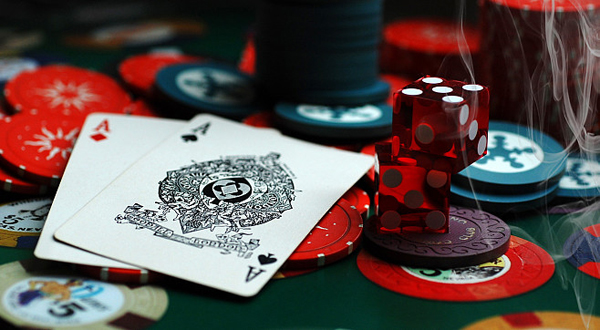
Conversely, the emotional fallout from losses can be profound and multifaceted. Feelings of regret, guilt, and anxiety often accompany significant financial setbacks, which can trigger further compulsive behavior as individuals attempt to chase their losses. This ‘chasing losses’ mentality can become a vicious cycle, driving players deeper into gambling as they seek to regain control. It highlights the delicate balance between enjoyment and obsession, underscoring the importance of self-awareness and responsible gambling practices to avoid falling into a detrimental cycle.
Additionally, the stigma surrounding gambling can prevent individuals from seeking the help they need when faced with problems. The fear of judgment or misunderstanding can lead to isolation, exacerbating the emotional toll of gambling. Recognizing these patterns and seeking support, whether through professional counseling or community support groups, is crucial for those struggling with gambling. Such resources can provide the necessary tools for building a healthier relationship with gambling, ultimately promoting a more balanced lifestyle.
Understanding Gambling Psychology Through Research and Resources
Research into the psychology of gambling provides essential insights that empower players to understand their behaviors better. Academic studies delve into various dimensions of gambling, including cognitive distortions, emotional influences, and environmental triggers. Gaining knowledge about these factors can be empowering, allowing players to identify when they might be engaging in harmful patterns. Understanding these psychological elements is crucial in promoting responsible gambling habits and recognizing triggers that may lead to distressing experiences.
Educational resources and support networks are vital for individuals grappling with gambling issues. Many organizations offer informative materials that explore the psychological aspects of gambling, providing tools for self-reflection and behavior management. These resources often emphasize the importance of setting limits, maintaining a balanced lifestyle, and recognizing when to seek help. For those feeling overwhelmed by their gambling habits, these materials can serve as lifelines, guiding them toward healthier choices and behaviors.
Additionally, a growing number of casinos are beginning to adopt measures to promote responsible gambling. By providing information about the risks associated with gambling and offering self-exclusion programs, these initiatives reflect an increasing awareness of the psychological impact of gambling. Such efforts demonstrate a commitment to fostering a safer gaming environment, which is essential for player well-being. As research continues to expand in this field, it remains crucial for players to engage with these findings to enhance their understanding and control over their gambling behaviors.


