

The Financial Implications of Casino Addiction
Frequent visits to casinos often go hand in hand with what many would consider a thrilling experience, but hidden financial costs can accumulate quickly. Beyond the obvious monetary expenditures like betting and gaming fees, there are various indirect financial impacts that individuals may overlook. For instance, individuals might find themselves spending significant money on transportation, dining, and entertainment within the casino, including online platforms such as australian online pokies , which can add up over time and strain personal finances considerably.
Moreover, the allure of winning can lead to increased gambling, which can create a vicious cycle of spending more than initially intended. Many gamblers are drawn to the concept of “chasing losses,” where they continue to place bets in hopes of recouping previous losses. This behavior can lead to financial distress, pushing individuals to dip into savings or take on debt to continue their visits. Understanding this psychological aspect is crucial as it highlights the deeper financial costs associated with frequent casino engagement.
Additionally, the concept of opportunity cost should not be overlooked. Time spent at a casino could instead be allocated to activities that yield financial returns or personal growth, such as pursuing further education or investing in a side business. By failing to recognize these hidden costs, frequent visitors risk not only depleting their financial resources but also missing out on valuable life opportunities.
The Emotional Toll of Regular Gambling
Engaging in regular casino visits can have significant emotional consequences that may not be apparent at first glance. The thrill of winning is often overshadowed by the stress and anxiety related to potential losses. Many individuals experience a range of negative emotions, from guilt and shame to frustration, as they navigate their gambling experiences. Regular exposure to such emotional volatility can lead to anxiety disorders or depression, impacting overall mental health.
Furthermore, the social environment of casinos can exacerbate feelings of isolation or dependence. As relationships may suffer due to prioritizing gambling over social interactions, individuals often find themselves withdrawing from friends and family to indulge in their gambling habits. This detachment can deepen emotional struggles, leading to a cycle that is difficult to break. Recognizing this emotional toll is vital for those who frequent casinos, as it highlights the importance of addressing mental well-being alongside financial considerations.

Seeking support from mental health professionals or participating in support groups can help manage these emotional challenges. Understanding that gambling addiction is a recognized mental health issue underscores the importance of addressing emotional health when evaluating the costs of frequenting casinos. Making informed decisions about gambling can pave the way for healthier emotional and financial outcomes.
Impact on Relationships and Social Life
The ripple effect of frequent casino visits extends beyond personal finances and emotional health; it significantly impacts relationships. Partners may find themselves feeling neglected or secondary to gambling activities, leading to tension and conflicts. Trust issues can develop as one partner may hide losses or gambling habits from the other, creating a barrier that complicates communication and understanding.
This strain is not limited to romantic relationships; friendships and familial bonds can also suffer. Friends might express concern over a person’s gambling habits, but the individual may dismiss these concerns, viewing them as judgment. Over time, this can lead to a breakdown in social circles as individuals withdraw to engage in gambling alone. The consequences are far-reaching, as reduced social interactions can heighten feelings of loneliness and exacerbate emotional distress.
To mitigate these effects, open conversations about gambling behaviors and their consequences are essential. Couples and friends can benefit from establishing clear boundaries and discussing expectations regarding spending and time spent gambling. Rebuilding trust takes effort, but prioritizing relationships alongside gambling habits is fundamental to maintaining a balanced and healthy social life.
The Dangers of Lifestyle Inflation Linked to Gambling
Frequent casino visits can also lead to a phenomenon known as lifestyle inflation, where individuals begin increasing their spending in proportion to their gambling activities. Initially, someone might visit a casino and spend a modest amount, but as they start to win or experience occasional big wins, that spending threshold can gradually rise. This shift can lead to a reliance on gambling as a source of entertainment and excess, creating a cycle of inflated expectations and spending behavior.
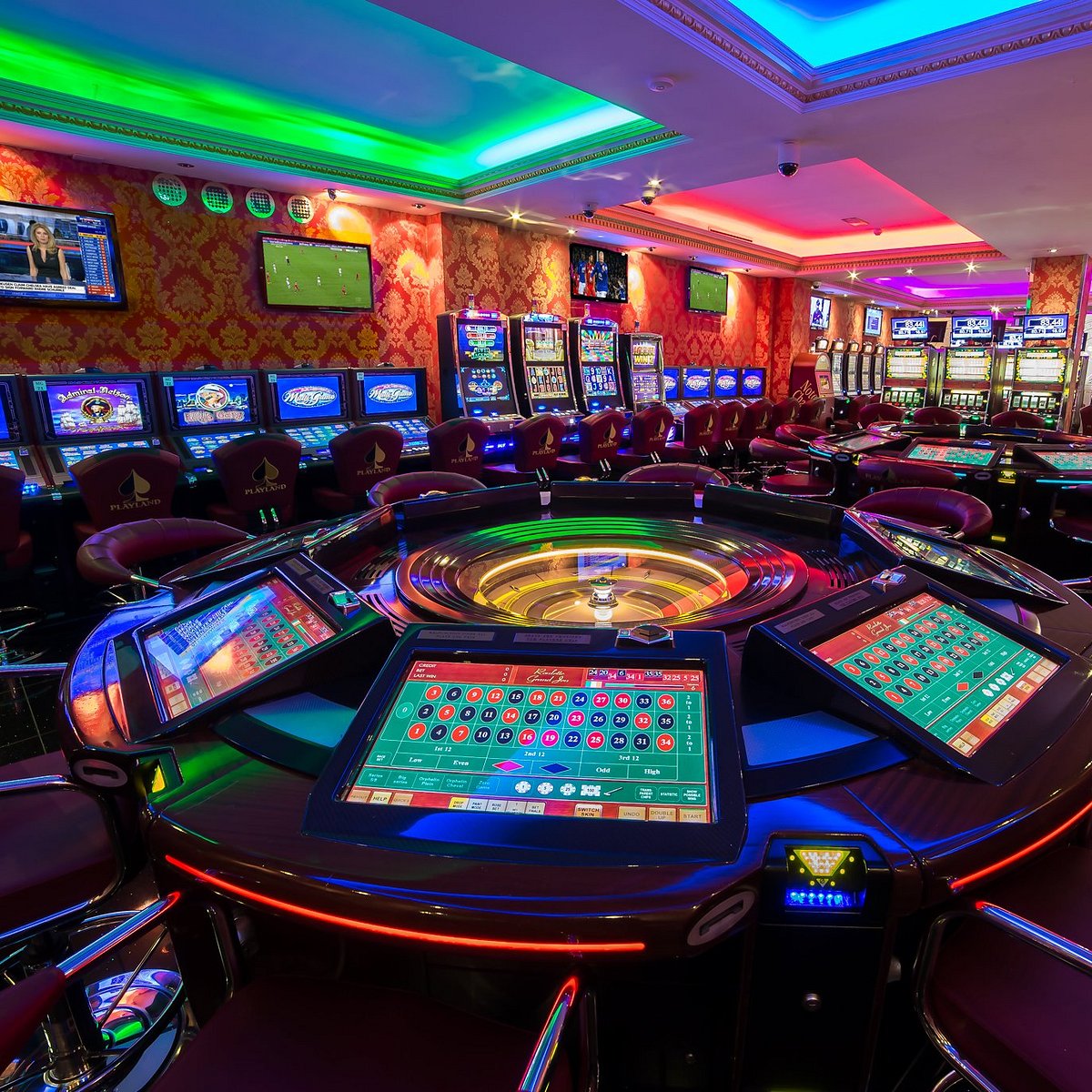
Many gamblers fail to recognize how this increase in lifestyle spending can compromise their financial stability. The allure of luxury experiences, whether it is dining at upscale restaurants, attending lavish shows, or staying in expensive hotel rooms, can divert funds from more practical financial responsibilities, such as saving for emergencies or investing in long-term goals. The thrill of the casino can mask the reality that these excessive expenditures can lead to financial instability.
To counteract lifestyle inflation, it’s crucial for individuals to establish budgets and adhere to them, including a defined entertainment budget for gambling activities. This strategy promotes discipline and enables individuals to enjoy the excitement of casinos while maintaining control over their overall financial situation. A mindful approach to spending can help prevent the adverse impacts of lifestyle inflation while still allowing for enjoyable experiences at casinos.
Resources for Responsible Gambling and Support
There are numerous resources available for those who may be grappling with the hidden costs of frequent casino visits. Organizations focused on responsible gambling offer valuable information and support services to individuals who may find themselves struggling with their gambling habits. Utilizing these resources can empower individuals to make informed decisions and minimize the negative consequences associated with gambling.
Support groups can provide a safe space for individuals to share their experiences and challenges with others who understand their struggles. These groups often foster a sense of community and can offer a way to cope with the emotional toll of gambling. Resources such as hotlines and community programs focused on addiction can also serve as critical lifelines for those in need of immediate assistance.
Prioritizing education about gambling and understanding its potential risks is essential for creating a healthy gambling environment. Engaging with websites dedicated to promoting responsible gambling can also bolster awareness and pave the way for a balanced approach to entertainment. Recognizing the signs and symptoms of gambling-related issues is the first step in seeking help, ultimately leading to healthier choices and improved overall well-being.


